



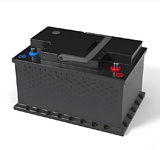
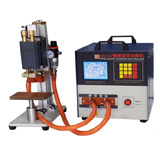









How does a Cylindrical Cell usually protect itself?
A cylindrical cell typically protects itself through several mechanisms to ensure safe and reliable operation. Some of the key ways in which a cylindrical cell protects itself include: 1. Overcharge protection: Cylindrical cells are designed with built-in protection mechanisms that prevent overcharging. Overcharging can lead to increased temperature, gas generation, and ultimately cell failure. The protection circuitry in the cell monitors voltage levels and shuts off the charging process once the cell reaches full capacity. 2. Over-discharge protection: Cylindrical cells also have protection features to prevent over-discharge. If a cell is discharged beyond a certain point, it can cause irreversible damage and reduce the cell's lifespan. The protection circuitry in the cell will cut off power when the voltage drops below a safe threshold to prevent over-discharge. 3. Overcurrent protection: Cylindrical cells are equipped with protection against high currents. Excessive current can lead to overheating, which can damage the cell and pose a safety risk. The protection circuitry in the cell will limit the current flow to a safe level to prevent overheating. 4. Short circuit protection: Cylindrical cells have safeguards in place to prevent short circuits. A short circuit can cause a rapid discharge of energy, leading to overheating, fire, or explosion. The protection circuitry in the cell will detect a short circuit and disconnect the cell from the circuit to prevent damage. 5. Temperature protection: Cylindrical cells are sensitive to temperature changes, and excessive heat can degrade the cell's performance and safety. The protection circuitry in the cell will monitor the temperature and shut off the cell if it exceeds a safe threshold to prevent overheating. 6. Pressure relief valve: Some cylindrical cells, especially those used in high-performance applications or in extreme conditions, are equipped with a pressure relief valve. This valve releases excess gas that may build up inside the cell due to overcharging or high temperatures, preventing the cell from rupturing. Overall, cylindrical cells are designed with multiple layers of protection to ensure safe operation and prevent potential hazards. These protection mechanisms work together to safeguard the cell from overcharging, over-discharging, high currents, short circuits, overheating, and pressure build-up, ultimately prolonging the cell's lifespan and ensuring reliable performance.
How to choose Terminal Cover?
When choosing a terminal cover, it is important to consider the specific requirements of your application as well as the type of terminals you are using. Here are some factors to consider when selecting a terminal cover: 1. Material: Terminal covers are typically made from materials such as plastic, rubber, or metal. The choice of material will depend on the level of protection required for the terminals, as well as the environment in which they will be used. For example, if the terminals are exposed to harsh chemicals or extreme temperatures, a more durable material like metal may be necessary.
What is a Battery PVC separator?
A battery PVC separator is a crucial component in a rechargeable battery, serving as a barrier between the positive and negative electrodes to prevent short circuits while allowing the flow of ions between them. It is typically made of PVC (polyvinyl chloride) material, which is known for its high thermal stability, chemical resistance, and mechanical strength.
How to maintain the Fixing jig for COS Machine?
In order to maintain the fixing jig for a COS machine, it is important to follow a few key steps to ensure its optimal performance and longevity. Here are some tips for maintaining the fixing jig: 1. Regular Cleaning: The fixing jig should be cleaned regularly to remove any dust, debris, or residue that may accumulate during use. This can be done using a soft brush or cloth to gently wipe away any buildup.
How to protect Heating Tube?
Heating tubes are important components in various heating systems, such as water heaters, boilers, and industrial furnaces. To ensure their efficiency and longevity, it is important to protect them from damage and wear. Here are some tips on how to protect heating tubes:
What are the benefits of Plate Short Circuit Testing Machine?
Plate Short Circuit Testing Machine is a crucial equipment used in the electrical industry to test the short circuit performance of electrical devices and components. There are several benefits associated with using this type of testing machine: 1. Accuracy: Plate Short Circuit Testing Machine is highly accurate in measuring the short circuit performance of electrical devices. It provides precise and reliable results, which are essential for ensuring the quality and safety of electrical products.

CONTACT US
Address:Unit 1303-5, Building F16, No. 1108, Jimei North Road, Software Park III, Torch High-tech Zone, Jimei District, Xiamen City
E-mail:leo_zecrowntech@163.com
TEL:+86-13599218143
Copyright ©2024 Xiamen Zecrown Technology Co., Ltd.
Powered by :www.300.cn | Business license | Seo tags | Global site Supported IPV6